



 .
. 
Living Together with an ADU or Generational Housing
We all began as kids growing up in our parents house or other family members. After all we weren't paying rent or a mortgage or even for food. Sure we may have complained about having to cut the lawn or shovel the driveway or even helping to clean the house. We were in schools just learning about life and people. We thought about how old our parent figures were. I'm sure we didn't make it easy for them.
Really they sacrificed a lot to put a warm roof over our heads and food in our stomachs. Put us in school. Music lessons, Sports. Then they let us go -- or we just as kids couldn't wait to experience life on our own as independent people free of all those responsibilities. It is then that we discovered there is a cost to all those responsibilities. Many times we would still ask for their support financially and emotionally forgetting they still had their own responsibilities.
After all they always did before. But there is a difference when they had their own expenses to keep that roof over your head and then they are being asked to also help pay for the roof over your head and maybe a car or other expenses on top of their own.
Tthe cost of living when our parents were your age could be managed by just one parent working to pay for all the kids a house and cars and even a vacation. Now that seems impossible. The cost of a home and living far exceeds the 28% of income even lenders want to see today. And now even their own homes may need new septics or new roofs or new kitchens or new paint and new appliances.
So now we find we want or need our parents to be closer to us especially with your own kids growing up or if you are in a situation of being a single parent trying to be the super parents we had. We now wonder how could they do it all.
I have seen the super 8 video of my mom handling me, my twin brother and little brother -- 3 baby versions of us -- swimming in Lake Michigan with big waves. My older brother and sister on the beach still. She only has 2 arms. Then all 5 of us had families and my parents would somehow find the time to help even though we ranged from living in Oregon, Boston and Michigan
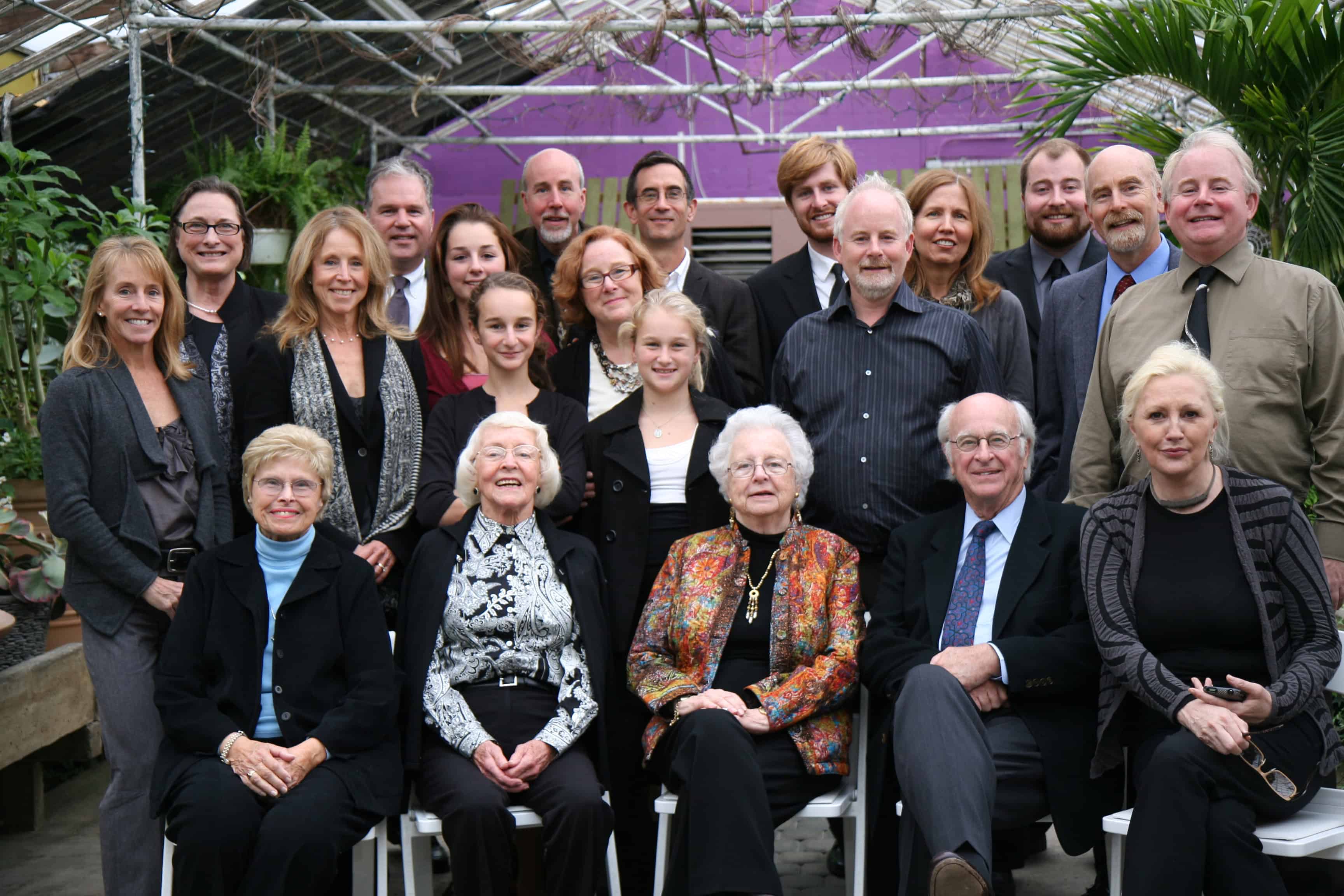
Now many of us kids are moving in together with our parents. Or perhaps the parent moving in our house or now all of us getting together to purchase or renovate a home to accommodate everyone. We call it Generational housing, also known as multigenerational living. It refers to the practice of multiple generations of a family living together under one roof. Or maybe one of your parents passed on and the cost too much or just emotionally or financially too much. Afterall the cot of mortgages and repairs and utilities and taxes just don't want to go down.
This trend has gained momentum in various parts of the world due to a combination of social, economic, and cultural factors. Here are some key aspects and trends related to generational housing:
1. Economic Factors
- Affordability: Rising home prices and rental costs have made it increasingly difficult for younger generations to afford independent living. Multigenerational arrangements can help mitigate these costs.
- Shared Expenses: Living together allows families to share expenses, reducing financial burdens associated with housing, utilities, and caregiving.
2. Social Factors
- Family Support: Older generations often provide childcare for their grandchildren, while younger generations can offer support and care to older family members. This reciprocal support strengthens family bonds.
- COVID-19 Impact: The pandemic highlighted the importance of family support networks, leading to increased interest in multigenerational living as families sought to stay close during uncertain times.
3. Cultural Factors
- Cultural Norms: In many cultures, multigenerational living has long been the norm, driven by a sense of responsibility toward family and community. This trend is becoming more accepted in Western cultures as well.
- Changing Attitudes: Younger generations are increasingly viewing multigenerational living as a viable and beneficial option, shifting away from traditional expectations of independence.
4. Design Trends
- Home Design: New home designs are incorporating features suited for multigenerational living, such as separate entrances, dual suites, and flexible spaces that can serve multiple functions.
- Adaptable Spaces: Homes are being designed to accommodate varying needs, such as accessibility features for elderly family members or dedicated spaces for remote work.
5. Government and Community Support
- Zoning and Legislation: Some regions are adapting zoning laws to allow for more multigenerational housing options, encouraging the development of properties that can accommodate multiple families.
- Community Programs: Programs aimed at supporting family caregivers and promoting intergenerational relationships are becoming more common in many communities.
6. Health and Wellness Considerations
- Elder Care: Multigenerational living can provide better care for elderly family members, allowing for shared responsibilities and promoting their well-being.
- Mental Health: Living with family can reduce feelings of isolation and loneliness, which are prevalent in older adults.
7. Market Trends
- Multifamily Units: There is growing demand for multifamily housing units and duplexes, where two families can live in close proximity while retaining some independence.
- Accessory Dwelling Units (ADUs): Homeowners are increasingly looking to add ADUs or in-law suites to their properties to accommodate family members.
Conclusion
The generational housing trend signifies a shift in societal norms and family structures, driven by economic, social, and cultural changes. As more families recognize the benefits of living together, the landscape of housing is likely to continue evolving to meet the needs of multigenerational households.

Connect